
Web Design & Graphic Design Trends 2026 | See Through Media
The world of web design and graphic design is changing rapidly in 2026.
Artificial intelligence is transforming creative workflows, businesses are demanding faster and more accessible websites, and customers are becoming increasingly selective about the brands they trust.
At the same time, designers are moving away from generic templates and predictable visuals. Typography is becoming more expressive, websites are becoming more interactive, and brands are looking for ways to appear more human and distinctive.
So, what are the biggest web design and graphic design trends for 2026, and what do they mean for your business?
At See Through Media, we have put together this guide to the key trends shaping website design, branding and graphic design this year.
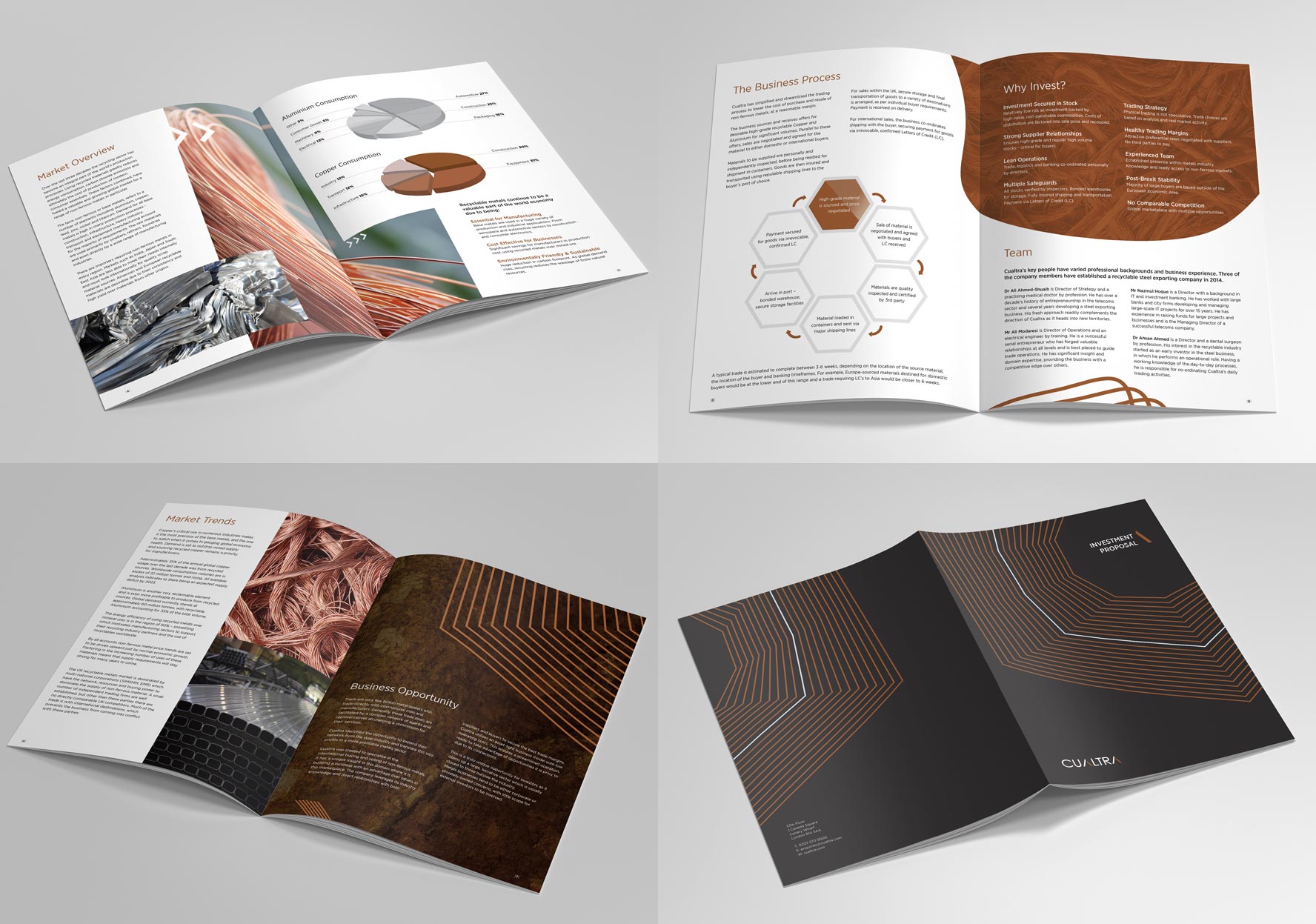
1. Bold Typography and Bigger Headlines
One of the biggest website design trends in 2026 is the increased use of bold, oversized typography. Large headlines can immediately communicate what a business does and create a strong visual impression without relying on complicated graphics. Instead of treating typography as simply a way of presenting information, modern web design increasingly uses fonts as part of the brand itself.
This can include:
- Large homepage headlines
- Strong typographic layouts
- Distinctive font combinations
- Creative use of spacing
- Oversized numbers and statistics
- Typography combined with animation
For businesses, this creates an opportunity to make a website instantly recognisable. However, effective typography still needs to be practical. Text needs to remain readable on mobile devices, have appropriate contrast and work consistently across different screen sizes.
The trend: Make typography part of the visual identity, not just the content.
2. More Human and Authentic Graphic Design
AI-generated imagery has made it easier than ever to produce polished visuals.
But there is a downside.
When everyone has access to similar AI tools, stock imagery and templates, brands can start to look the same. That is why one of the most interesting graphic design trends in 2026 is a move towards more human, authentic and distinctive design.
We are seeing greater use of:
- Real photography
- Hand-drawn illustrations
- Organic shapes
- Collage-style graphics
- Tactile textures
- Imperfect details
- Bespoke illustrations
- Personality-led branding
The objective is not to make a design look unfinished. It is to give the brand character. A business that looks and sounds like everyone else can easily be forgotten. Strong graphic design should help communicate what makes a company different.

3. AI Is Becoming Part of the Design Process
There is no question that artificial intelligence is having a major impact on graphic design and website design. AI can help designers explore ideas, generate concepts, create variations, analyse content and speed up repetitive tasks. But AI does not replace the need for creative thinking.
A successful brand still needs someone to make decisions about:
- Audience
- Brand personality
- Colour
- Typography
- Layout
- Photography
- Messaging
- User experience
The real opportunity is using AI as a creative tool rather than allowing it to determine the entire creative direction. In 2026, the strongest design work is likely to combine the speed of AI with human experience, judgement and creativity.
4. Website Design Is Becoming More Interactive
Another important web design trend for 2026 is purposeful interaction. Websites are no longer completely static experiences. Subtle animations, transitions and interactive elements can help visitors understand information and navigate a page.
For example, websites can use:
- Hover effects
- Animated typography
- Scroll animations
- Interactive menus
- Image transitions
- Micro-interactions
- Animated statistics
- Interactive product demonstrations
But there is an important distinction between useful interaction and unnecessary animation. Every animation should have a purpose. If movement helps visitors understand the page, discover information or know what to click next, it can improve the experience.
If it simply makes the website slower or distracting, it may do more harm than good.
5. Accessibility Is Becoming Essential
Good website design needs to work for as many people as possible. Accessibility is therefore becoming an increasingly important part of the web design process.
Modern websites should consider:
- Readable font sizes
- Strong colour contrast
- Clear navigation
- Keyboard accessibility
- Descriptive links
- Appropriate image alt text
- Responsive layouts
- Reduced-motion preferences
Accessibility should not be treated as an optional extra.
A website that is easier to understand and navigate is often a better experience for everyone.
It can also help businesses demonstrate that they take their customers’ needs seriously.
6. Website Performance Is Part of Design
A visually impressive website is not successful if visitors have to wait for it to load. Website performance has become a fundamental part of good web design. Large images, unnecessary scripts, excessive animations and poorly optimised websites can all affect the user experience.
This means designers and developers need to think about performance from the beginning of a project.
Good website design should consider:
- Image optimisation
- Mobile performance
- Efficient code
- Font loading
- Video usage
- Animation
- Hosting
- Website functionality
The best websites balance visual impact with speed.
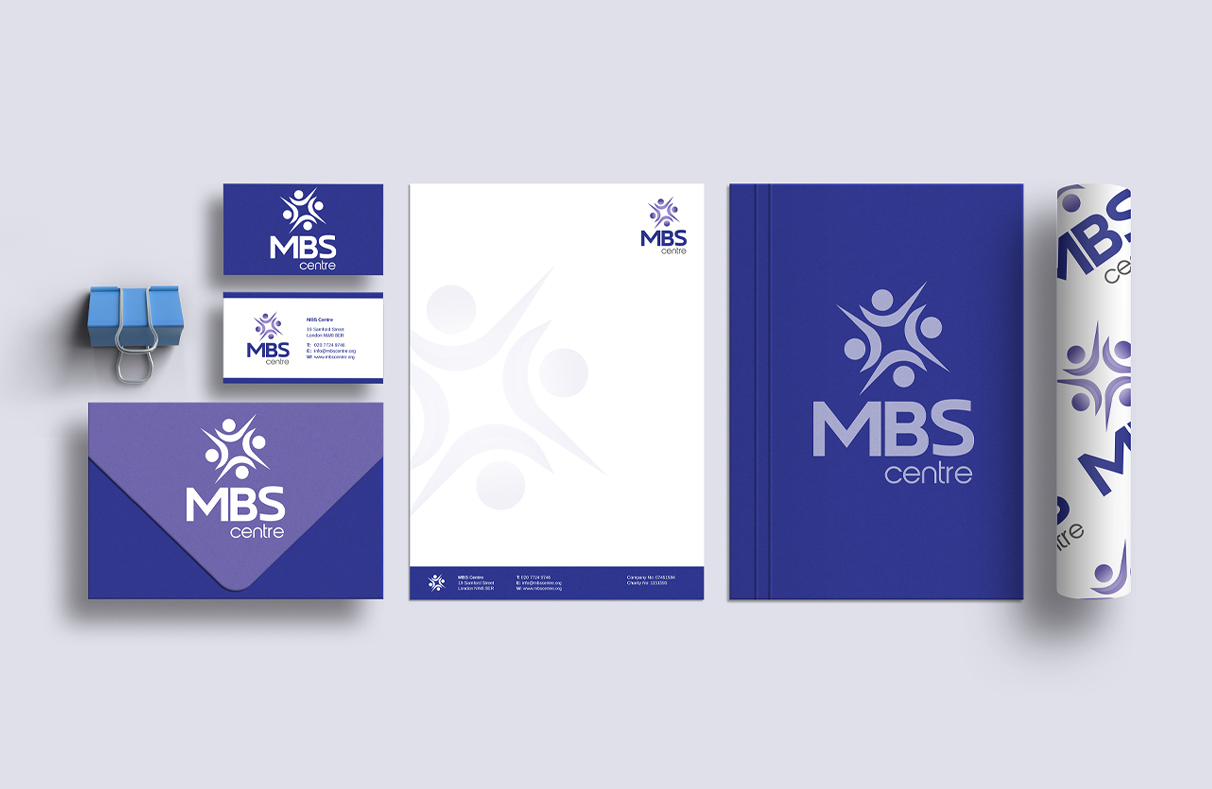
MBS Centre (formerly known as the Marylebone Bangladesh Society)
7. Businesses Are Moving Away From Generic Templates
Website templates can be useful, particularly for businesses with limited budgets.
But more businesses are recognising the value of having a website that actually looks and feels like their brand.
The traditional layout of:
Large photograph → headline → three boxes → contact button
is everywhere.
That does not necessarily mean it is bad.
It simply means businesses need to think harder about how they can differentiate themselves.
Modern website design is increasingly using:
- Editorial layouts
- Asymmetrical designs
- Bento-style grids
- Custom illustrations
- Bespoke photography
- Strong typography
- Creative navigation
- Brand-specific graphics
The goal is not to make a website complicated.
The goal is to make it memorable.
8. Branding and Website Design Are Becoming More Connected
A company’s website should not feel disconnected from its branding.
In 2026, businesses need visual identities that work across multiple platforms.
That includes:
- Websites
- Social media
- Email marketing
- Brochures
- Business cards
- Advertising
- Packaging
- Presentations
- Printed marketing materials
This is why professional graphic design is about much more than creating a logo.
A strong visual identity gives a business a consistent system that can be used across different marketing channels.
Your website should feel like the digital home of your brand.
9. Editorial-Inspired Website Design
Another growing influence on modern website design is editorial design.
Magazine and newspaper layouts have traditionally been very good at organising large amounts of information while maintaining visual interest.
Web designers are borrowing some of these principles for digital experiences.
This includes:
- Strong headlines
- Large photography
- Generous white space
- Interesting grids
- Multiple content sizes
- Clear visual hierarchy
- Storytelling through layout
This approach can work particularly well for businesses that want to communicate expertise and authority.
Rather than presenting visitors with large blocks of text, editorial design can make information easier and more enjoyable to explore.
10. Graphic Design Is Becoming More Flexible
A modern brand needs to work everywhere.
A logo that looks good on a large sign may not work particularly well as a social media profile image.
A brochure design needs to work differently from a website banner.
A visual identity therefore needs flexibility.
Graphic designers are increasingly developing complete brand systems rather than simply supplying a single logo.
This might include:
- Primary and secondary logos
- Colour palettes
- Typography
- Photography guidelines
- Illustration styles
- Social media templates
- Website graphics
- Print designs
- Advertising materials
This creates consistency while allowing the brand to adapt to different situations.
11. Designing for Mobile First
Mobile browsing continues to influence how websites are designed.
A website might look excellent on a large desktop monitor, but if the mobile experience is difficult to use, businesses risk losing visitors.
Responsive website design therefore remains essential in 2026.
Designers need to consider how:
- Navigation works on small screens
- Text scales
- Images resize
- Buttons are used with touch
- Forms work on mobile
- Content is prioritised
- Pages load on mobile connections
Mobile design should not simply be an afterthought.
The mobile experience should be considered from the beginning of the design process.
12. Websites Need to Work for People and Search
A website has two important jobs.
It needs to communicate effectively with people, while also making its content understandable to search engines.
That means good website design and SEO need to work together.
Important information should be easy to find. Headings should clearly describe the content. Links should use meaningful anchor text. Images should have appropriate alt text, and pages should provide useful information rather than simply targeting keywords.
Google’s own guidance recommends creating helpful, reliable, people-first content and using the words people would actually search for in prominent areas such as titles and headings.
This is why SEO should be considered during the website design process rather than added after the website has been built.
13. What Is Not Trending?
It is also worth looking at what businesses should avoid.
Following every new design trend can actually make a website less effective.
Some common problems include:
- Too many animations
- Difficult-to-read fonts
- Poor colour contrast
- Huge uncompressed images
- Overuse of AI-generated imagery
- Confusing navigation
- Generic stock photography
- Too much information on one page
- Design that prioritises appearance over usability
A website does not need every trend.
It needs the right design decisions for the business and its customers.
How to Choose the Right Web Design Trends for Your Business
Before changing your website or branding, ask a few simple questions.
Who are your customers?
Your design needs to appeal to the people you actually want to attract.
What does your business stand for?
Your colours, typography, imagery and website layout should support your brand personality.
What action do you want visitors to take?
Whether that is making an enquiry, buying a product, booking an appointment or contacting your business, the design should make the next step obvious.
Does the design improve the customer experience?
A trend is only useful if it helps your visitors.
Will it still work in two years?
Good design should not become outdated as soon as the trend disappears.
The Biggest Web Design and Graphic Design Trend of 2026?
Perhaps the biggest trend is design with a purpose.
Businesses no longer need websites simply because everyone else has one. They need websites that communicate clearly, build trust, perform well and help generate business.
Likewise, graphic design should not simply make a company look attractive. It should communicate who the business is and why customers should choose it.
AI, animation, typography, editorial layouts and new visual styles will continue to influence the industry.
But the fundamentals remain the same.
Understand your audience. Communicate clearly. Be distinctive. Make the experience easy.
That is what good design has always been about.
Looking to Refresh Your Website or Brand?
If your website or branding feels outdated, 2026 could be the right time for a refresh.
At See Through Media, we provide professional website design, graphic design, branding, WordPress, SEO and print services to help businesses create a stronger and more consistent presence both online and offline.
Whether you need a completely new website, a brand refresh or professional graphic design, the right solution starts with understanding your business and your customers.
Get in touch with See Through Media to discuss your next website or design project.

